
Water quality testing for betta
Testing Water Quality in a Betta Tank
Regular testing of the water parameters in your betta tank is crucial for maintaining optimal conditions for your fish. Here's how to test the water quality:
1. Purchase a Water Test Kit
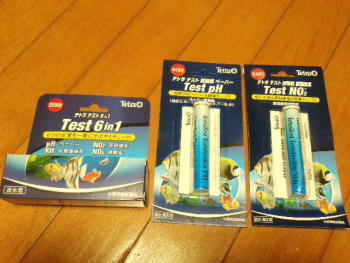
Invest in a reliable water test kit specifically designed for freshwater aquariums. These kits typically include test strips, liquid reagents, or electronic meters for measuring various water parameters.
2. Perform Water Tests
Follow the instructions provided with your water test kit to perform the following tests:
- pH: Measure the acidity or alkalinity of the water using pH test strips or a pH meter. Betta fish prefer a pH level between 6.5 and 7.5.
- Ammonia: Test for ammonia levels in the tank water, as high levels of ammonia can be toxic to bettas. Ammonia test kits typically use color indicators to measure ammonia concentration.
- Nitrite: Test for nitrite levels, as elevated nitrite levels can also be harmful to bettas. Nitrite test kits measure the concentration of nitrite ions in the water.
- Nitrate: Measure nitrate levels in the tank water using nitrate test kits. Nitrate is less toxic than ammonia and nitrite but can still be harmful to bettas at high concentrations.
- Temperature: Use a reliable aquarium thermometer to monitor the water temperature in the tank. Betta fish thrive in water temperatures between 78?F and 80?F (25.5?C - 26.5?C).
3. Interpret Test Results
Compare the test results to recommended parameters for betta fish and take appropriate action if any parameters are out of range. This may include performing water changes, adjusting pH levels, or addressing any other issues identified by the tests.
4. Keep Records
Maintain a log of your water test results to track changes over time and identify any trends or patterns. This will help you make informed decisions about tank maintenance and adjustments to ensure a stable and healthy environment for your betta fish.
Conclusion
Regular testing of water quality is essential for the health and well-being of your betta fish. By monitoring pH, ammonia, nitrite, nitrate, and temperature levels and taking appropriate action as needed, you can create a clean and stable environment that promotes the health and longevity of your betta.
Dealing with Poor Water Quality in a Betta Tank
Poor water quality can have detrimental effects on the health and well-being of your betta fish. Here's what to do if you encounter poor water quality in your betta tank:
1. Perform a Water Test
Use a water test kit to determine the specific parameters contributing to poor water quality, such as high levels of ammonia, nitrite, nitrate, or an imbalanced pH. Understanding the root cause of the problem will help you take appropriate corrective actions.
2. Immediate Water Change
If ammonia or nitrite levels are elevated, perform an immediate water change to dilute the toxins and improve water quality. Replace a portion of the tank water with dechlorinated or conditioned water that matches the temperature and pH of the existing tank water.
3. Increase Water Changes
Implement a more frequent water change schedule to maintain optimal water parameters and prevent the buildup of toxins. Regular water changes, typically 25-50% of the tank volume weekly, are essential for keeping the tank clean and healthy.
4. Clean Tank and Decorations
Thoroughly clean the tank and decorations to remove accumulated waste, uneaten food, and debris that contribute to poor water quality. Use an aquarium gravel vacuum to siphon debris from the substrate and rinse decorations in dechlorinated water.
5. Check Filtration System
Inspect the aquarium filtration system to ensure it is functioning correctly. Clean or replace filter media as needed and ensure adequate water flow and circulation throughout the tank. A properly maintained filter is crucial for removing toxins and maintaining water quality.
6. Monitor Tank Parameters
Continue to monitor water parameters regularly and adjust tank maintenance practices as needed to maintain stable water quality. Keep records of water test results to track changes over time and identify any recurring issues.
7. Address Underlying Issues
Identify and address any underlying issues contributing to poor water quality, such as overfeeding, overcrowding, inadequate filtration, or improper tank maintenance. Making necessary adjustments to your care routine will help prevent future water quality problems.
8. Quarantine Sick Fish
If your betta fish show signs of illness due to poor water quality, consider quarantining them in a separate tank with clean, well-maintained water. Treat any health issues promptly and provide supportive care to help them recover.
Conclusion
Dealing with poor water quality in a betta tank requires prompt action and diligent maintenance practices. By identifying and addressing the underlying causes of water quality issues and implementing proper tank maintenance procedures, you can create a clean and healthy environment that promotes the well-being of your betta fish.