
How to enjoy betas
Watching Betta Fish
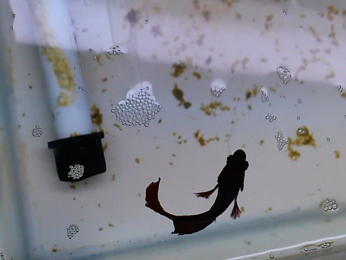
Observing Betta Behavior
Betta fish are known for their unique and interesting behaviors. Watching them can be both entertaining and educational. Here are some behaviors to look out for:
- Flaring: Bettas flare their gills and spread their fins to appear larger. This is often seen when they are displaying territorial behavior or seeing their reflection.
- Bubblenests: Male bettas create bubble nests on the surface of the water as part of their breeding behavior.
- Swimming Patterns: Bettas have distinct swimming patterns. Watch for smooth, graceful movements and investigate any signs of erratic swimming.
- Resting: Bettas often rest on leaves or tank decorations. This is normal behavior as long as they are active at other times.
Creating an Optimal Viewing Experience
To enjoy watching your betta fish, ensure that your tank setup enhances visibility and comfort for both you and your fish:
- Clear Water: Maintain good water quality with regular water changes and proper filtration to keep the water clear.
- Lighting: Use appropriate lighting to illuminate the tank. LED lights enhance the colors of your betta and plants without causing overheating.
- Tank Placement: Place the tank in an area where you can easily observe it, but avoid direct sunlight to prevent algae growth and temperature fluctuations.
Interactive Observation
Engage with your betta to observe more interactive behaviors:
- Mirror Flaring: Place a mirror next to the tank for a few minutes to see your betta flare. This should be done sparingly to avoid stress.
- Hand Feeding: Feed your betta with tweezers or your fingers. This can help build trust and allows for close observation.
- Tank Decorations: Arrange decorations to create interesting environments that encourage exploration and natural behavior.
Monitoring Health
Regular observation helps in early detection of health issues:
- Physical Appearance: Check for signs of illness such as clamped fins, discoloration, spots, or swelling.
- Behavioral Changes: Note any changes in behavior, such as lethargy, loss of appetite, or erratic swimming.
- Breathing: Observe your betta's breathing. Rapid gill movement or gasping at the surface can indicate poor water quality or illness.
Recording Observations
Keep a journal or log to track your betta?s behavior and health:
- Daily Observations: Note daily behaviors and any changes in appearance or activity.
- Feeding Schedule: Record feeding times and amounts to ensure proper diet and avoid overfeeding.
- Water Parameters: Regularly test and record water parameters such as temperature, pH, ammonia, nitrite, and nitrate levels.
Educational Benefits
Watching bettas can be educational for both children and adults:
- Learning About Biology: Observing betta behavior can teach about fish biology, ecosystems, and the importance of proper care.
- Responsibility: Caring for a betta helps develop a sense of responsibility and empathy towards animals.
- Relaxation: Watching fish can be calming and help reduce stress, making it a therapeutic activity.
Conclusion
Watching your betta fish can be a rewarding and relaxing experience. By creating an optimal environment, engaging in interactive observation, and regularly monitoring health, you can enjoy the beauty and unique behaviors of your betta while ensuring they remain happy and healthy.